
- A Guide On How To Feed Yourself When It Feels Like You Can’t
- Step One: Start With Your Doctor
- Step Two: Get Bloodwork Done
- Step Three: Work With a Registered Dietitian (Not a Nutritionist)
- Step Four: Create a system to take away friction
- Building your SAD pantry™ and Freezer
- Helpful Tips From Our Appointment With Health811’s Registered Dietitian
- Self-care is not separate from food
- When it’s time to seek more support
- Sources & Important Dates
- Pantry Tools
A Guide On How To Feed Yourself When It Feels Like You Can’t
This site is called ‘Moody Eater’ for a reason.
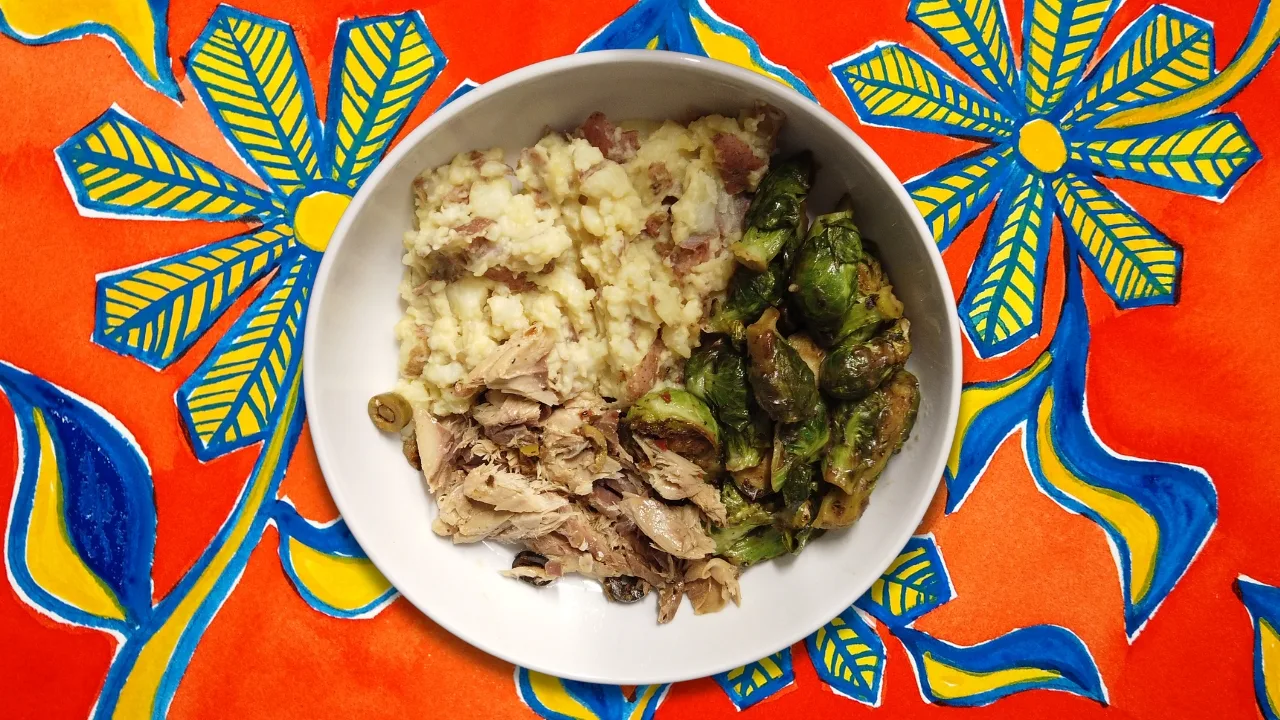
As you may or may not have noticed, we are neurospicy over here at Moody. While our platform is about learning from culinary experts, optimizing recipes, and exploring ways to make good meals quickly, there are days we are just overwhelmed.
We cook, we test, we optimize… but we also crash out. Hard. (Exhibit A or Exhibit B #sorrynotsorry)
Us Moody Eaters need to preserve our energy to prevent our neurospicy brains from sliding into depression, executive dysfunction or burning out. We try our best to avoid featuring recipes that are high energy / low yield because our kitchen is small and like many of our readers, our time is limited.
For many of us (especially those navigating ADHD, AuDHD, depression, or seasonal affective disorder [SAD]), eating is not the hard part. It’s everything around it.
It’s the invisible checklist:
- What do I have?
- What can I make?
- What do I need to buy?
- How long will it take?
- How many messy dishes will this create?
- Do I have the energy for that version of myself right now?
It’s a constant negotiation with our nervous systems. And if you live in a part of the country, where winter stretches into something grey and endless, that negotiation gets harder week-by-week. This winter was wintering in a way it hadn’t wintered in years.
When we say “we struggled,” what we mean is: we shut down and stopped eating properly. Not quite an ED, but definitely nutritional neglect.
Let’s be clear: If feeding yourself feels impossible right now, you are not broken. You might be overloaded.
This guide we created on How to Feed Yourself When You’re SAD is about reducing the load.
Basically, we’re trying to say we see you, and we’re here to help.
Step One: Start With Your Doctor
We must reiterate: This guide does NOT replace medical advice from your medical professional. Consult with your doctor/dietitian before you make any changes to your diet or routine. If your eating has changed – if you’re forgetting meals, losing appetite, bingeing, or just can’t seem to organize yourself enough to eat regularly – that’s worth medical attention.
First thing you’re going to do is call your doctor. This are your starting point when the situation becomes serious. Doctors help you understand your body holistically. They can see things you can’t like nutrient deficiencies, hormonal imbalances, rule out or diagnose underlying conditions and medication interactions through testing and imaging (yes, even grapefruit can interfere with certain prescriptions) .
In Canada, your doctor can also open the door to referrals, (private-practice dietitian, psychotherapist, hematologist and other specialists) with most medical services covered through our provincial health insurance plan. Bonus if your doctor is part of a health network (like UHN or Mount Sinai), where these specialists work as an integrated team. Being part of a health network centralizes your test results and reports, which you can access through patient portals or MyChart.
Step Two: Get Bloodwork Done
Next step is to get blood work done to determine where your physical health is at. Bloodwork gives you a baseline. Doctors can use it as a crucial tool for both diagnosing illnesses and monitoring your overall health.
Bloodwork gives you answers about what is happening to the inside of your body and shows why you’re feeling exhausted with the help of data. It can be dangerous to troubleshoot your energy, mood, or appetite without that data.
Bloodwork can identify:
- allergies
- iron and ferritin levels (fatigue, brain fog)
- nutrient deficiencies (like vitamin D deficiency, especially in northern climates)
- B12 and folate imbalances (energy, cognition)
- thyroid function
- markers of inflammation or chronic conditions
- a wide range of health conditions
These are not minor details. Research from the Harvard Medical School123 and clinical findings from the Mayo Clinic45 link deficiencies in these areas to fatigue, low mood, and cognitive impairment.
In northern climates, reduced sunlight exposure makes vitamin D deficiency particularly common – one of the biological contributors to seasonal affective disorder (SAD).6789
We have our blood checked every few months to manage our health conditions, so our physicians can adjust our treatment accordingly. The results tell us what our next steps are.
Step Three: Work With a Registered Dietitian (Not a Nutritionist)
Okay. You’ve seen your doctor and reviewed your bloodwork. The doctor lets you know that some of your ailments can be managed through a change in your diet. They refer you to a Registered Dietitian (RD) . Not a “wellness coach” or an unlicensed nutrition specialist selling powdered greens on Instagram.
Why a Registered Dietitian (RD) and not a nutritionist?
A Registered Dietitian (RD) is a regulated healthcare professional trained to interpret medical data and provide medical nutrition therapy.10 They:
- interpret bloodwork
- align nutrition with medications
- create sustainable, personalized eating strategies
In many countries, a Registered Dietitian (RD) [Diététiste or Diététiste professionnel(le)] is a protected title, just like physician, nurse or pharmacist.11
In Canada, requirements to be an RD include an accredited undergraduate degree in human nutrition/dietetics, at least 1250 hours of supervised practical training, and passing the Canadian Dietetic Registration Examination (CDRE) in order to be licensed.
Nutritionists do not have these requirements and are non-regulated.
All dietitians are nutritionists, but not all nutritionists are dietitians. *hair flip* shade intended.
If you do not have a primary doctor in Canada, you can Call Health811 8-1-1 (TTY: 711) or chat online at health811.ontario.ca to speak to a Registered Dietitian and/or Nurse. OHIP covered. (More on our conversation with the Registered Dietitian in our section called Helpful Tips From Our Appointment With Health811’s Registered Dietitian below)
Registered Dietitians and Medical Nutrition Therapy (MNT)
Reframing your approach to food needs to happen when you are struggling with your mental health. Dietitians translate your bloodwork, medical history, and lifestyle into something actionable by meeting you where you are. This method is known as Medical Nutrition Therapy (MNT)12, where an RD determines how you can nourish yourself, while you’re healing.
Our personal dietitian’s recommendations are science-informed. She demystified food myths we’ve held for years and together, we customized a dietary plan around our personal food preferences. This meant focusing on frequency of eating over variety and presentation.
Step Four: Create a system to take away friction
So you have your bloodwork results, your meds have been adjusted, and a medical treatment plan in place. You let your dietitian know what foods you like to eat and what your food budget is.
Together you create a positively reinforced food system that fits your budget, but most importantly removes friction from eating. We coined it a SAD pantry™.
SAD pantry™ : a collection of foods nutritionally curated and stored for low-capacity days.
We’re beefing up our pantry and freezer. Think storm pantry but with less labour.
A SAD pantry™ is built on two principles:
- Efficiency – minimal steps, minimal cleanup
- Nourishment – real nutrients, not just calories
You build this pantry AFTER you understand your deficiencies, assessed your health with medical professionals and know your nutritional needs. The idea is simple: reduce the number of steps between hunger and eating. That means pre-cut, pre-cooked, pre-assembled, or preserved foods.
Building your SAD pantry™ and Freezer
When you are in a depressive state, there is no need to be highbrow about your food. Food has a function, which is to keep us alive. A SAD pantry™ is high in nutrients and resistant to time.
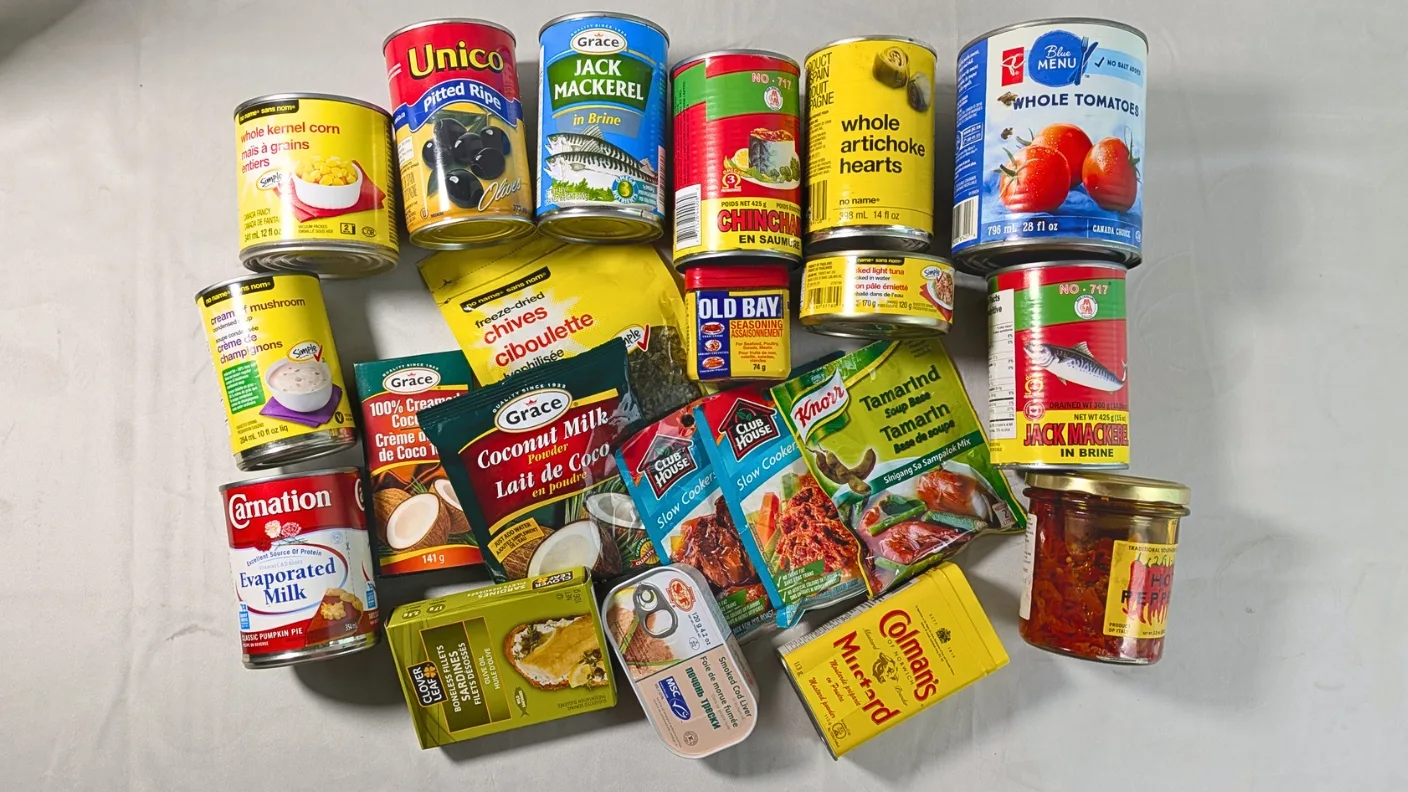
Moody Eater’s SAD pantry™
The example below is Moody Eater’s own personal SAD pantry™. We’ve stocked it with food that takes a while to perish, is nutrient dense and needs little effort to rehydrate when desired. It has about 3 weeks worth of goods as a failsafe. Meaning, if we didn’t leave our house for 3 weeks, we could eat from it daily and we wouldn’t starve.
Based on our bloodwork results, we focus on stacking ours with foods to combat low iron/ferritin, Vitamin D, K3 and calcium deficiencies. Being low or deficient in any of these nutrients can attribute to your depressive state.13 With the foods in this pantry we can either:
- grab, drain and eat most of these foods straight out of their packaging
- assemble it all in one bowl
- add water
- or reheat and eat.
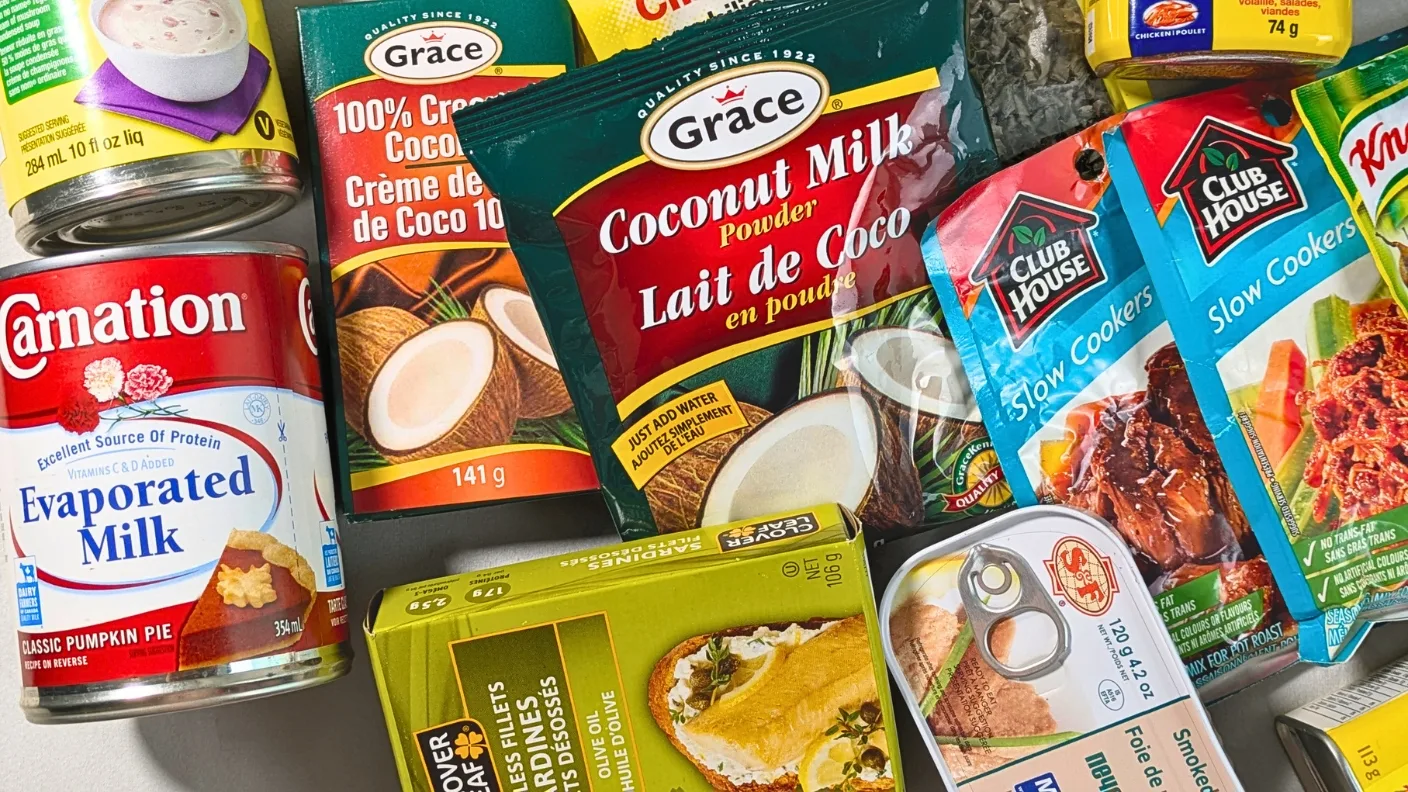
| Preserved | Dried or Powdered goods (Shelf-stable) | Pre-pared | Pre-cut & Pre-cooked Freezer Staples | For vegans: (remove tinned fish & meat) |
|---|---|---|---|---|
| Tinned fish (tuna, sardines, salmon) | Dried soups | Uncle Ben’s readymade rice or Sidekicks | Frozen fruit (especially berries) | Dried seitan or Pea protein |
| Pickled items – pickles, pickled onions, olives, kimchi, capers (store in fridge once opened) | Flavourless pea protein powder that can be added to sauces or smoothies | Asian noodles – Buckwheat/ Soba, glass sweet potato noodles, pho, rice vermicelle | Frozen Pizza | Nutritional yeast |
| Canned vegetables | Evaporated milks and/or powdered milks. | Granola | Meat | |
| Canned beans | Dried fruit and Trail mix ** | Calcium antacids | Whole grain bread (sliced) | Tools That Reduce Friction: |
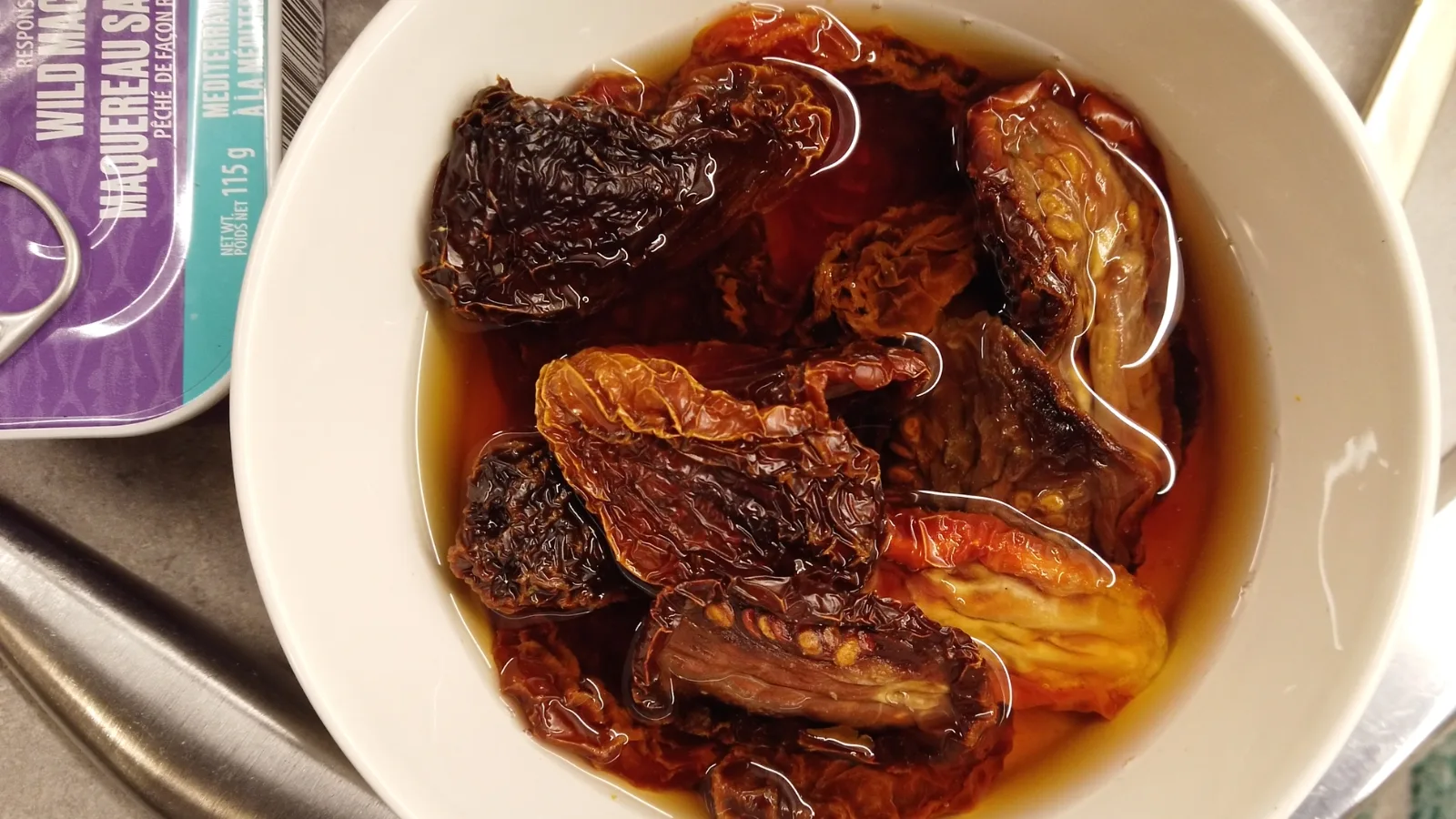
| Readymade sauces & canned low sodium soups | Dried vegetables (mushrooms, sun-dried tomatoes, beet powder, onion flakes, etc.) | White vinegar | Frozen Vegetables (pre-cut) | Hand blender (easy to clean) |
| Tomato puree | Seaweed packages | Salt | Cooked noodles | Masking tape or labels (for dates) |
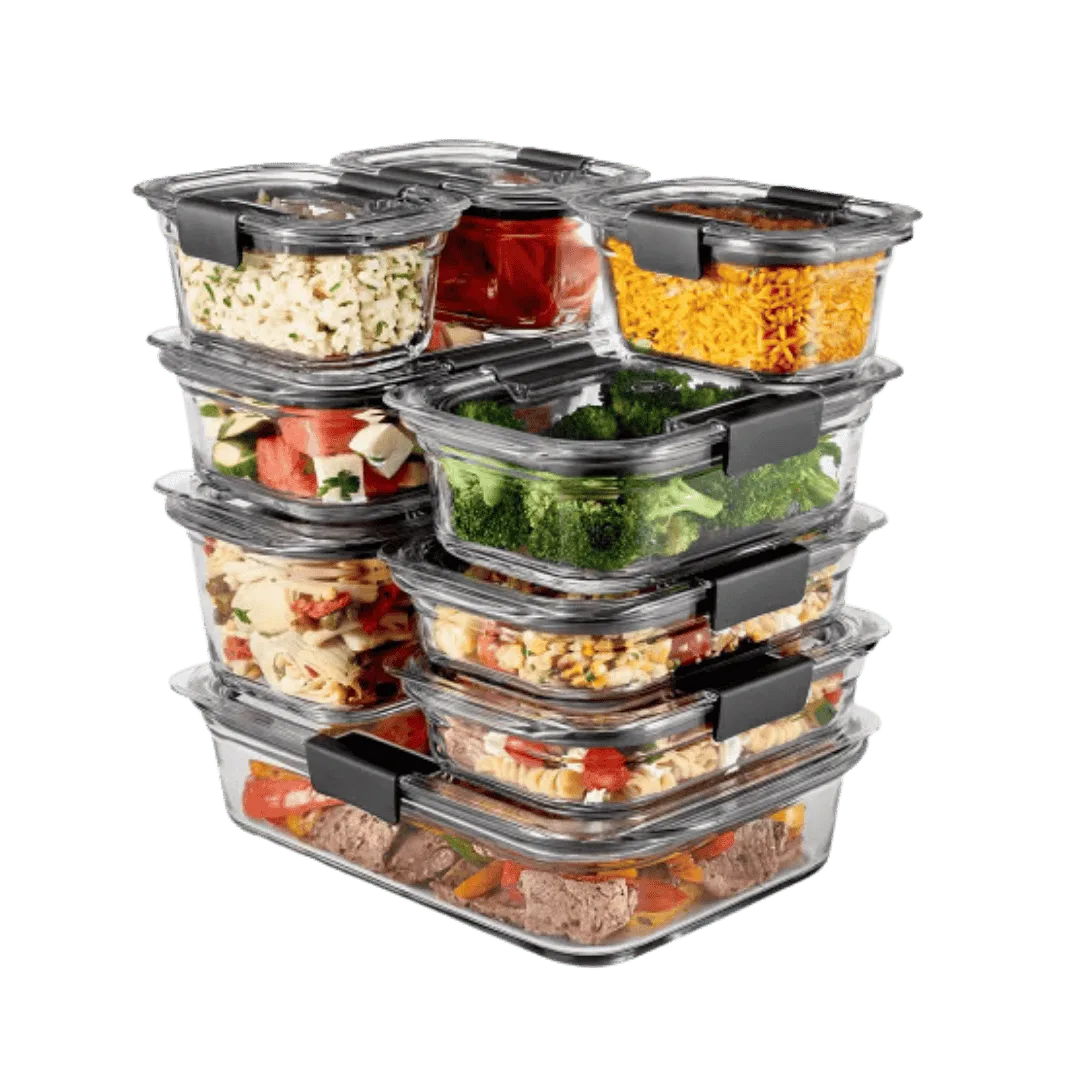
| Canned tomatoes | Seasoning and Spice packages (taco, birria, chimichurri, curry, chilli, bouillon cubes, etc.) | Nut butters | Frozen proteins (pre-cooked if possible) | Glass storage containers |
| Jar of pureed garlic | Dried lentils | Protein bars | Leftover meals | Permanent markers |
| Canned healthy drinks – prebiotics | Dried carbs/starches (grains, quinoa & rice) | Nuts & seeds | Ziploc bags or Reusable Silicone freezer storage bags | |
| Canned lentils | Beef Jerky (high protein, low salt) | Gluten-free flours | Can opener |
Notes on the list of SAD pantry™/ Freezer items:
Pantry
- Some dried ingredients are available in hydrated form (like chilli oil) but we prefer to use the dried versions because they have a longer shelf life
- For canned, look for foods packed in water or olive oil
- Uncle Ben’s Ready Rice or Sidekicks – Uncle Ben’s only needs 90 secs to reheat. Pre-measured, precooked rice/noodle/grain packs can be added to a bowl of canned goods and soups. Also, Sidekicks are lowkey fire.
- Normally dried legumes/beans would a pantry staple, but they take hours to rehydrate, plus they need time to cook. Just get the canned legumes instead (only for the sake of efficiency). Rinse well to remove the added salt.
- **Pantry items need your best waterproof containers, otherwise weevils and other pantry pests get in.
- White vinegar is a kitchen lifesaver. Pickle with it or clean with it.
Freezer staples
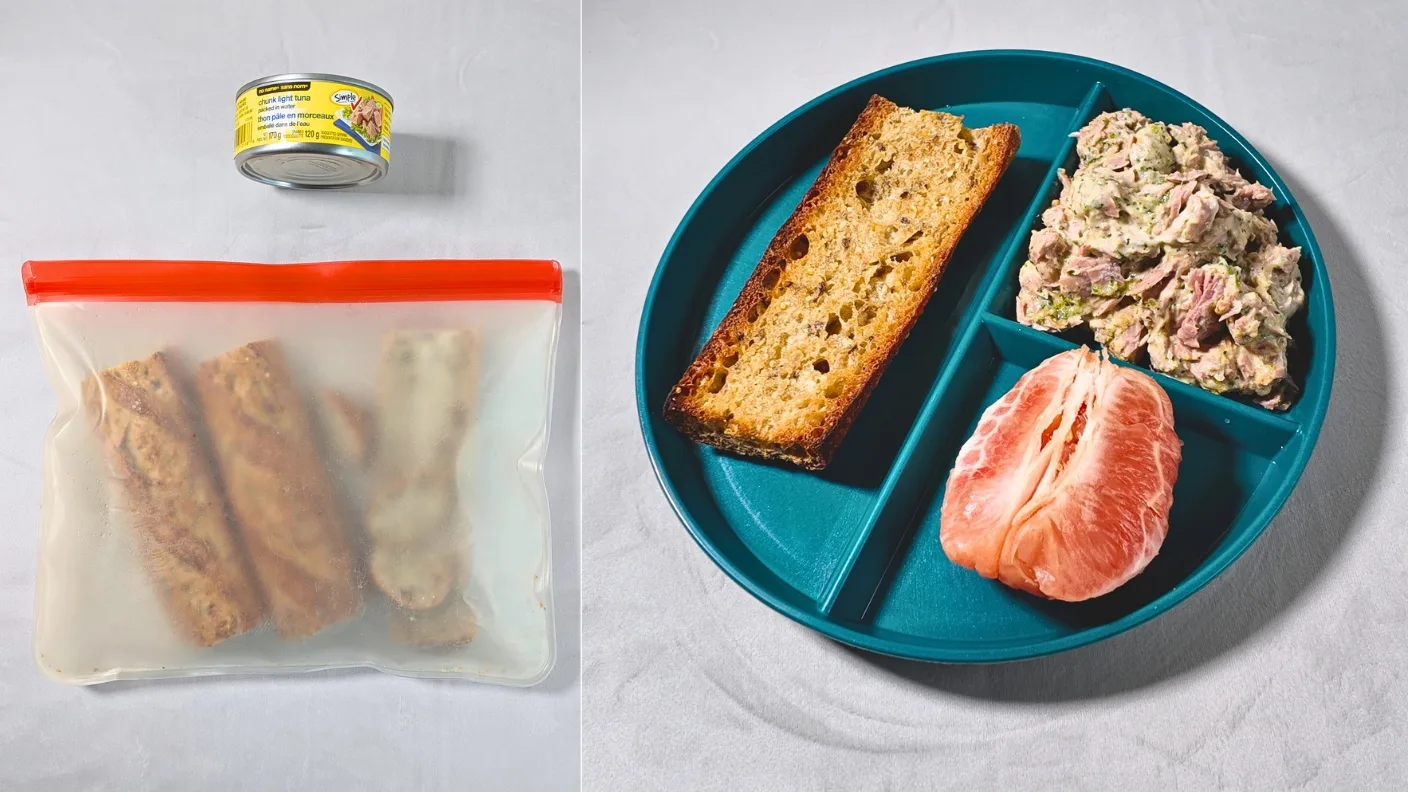
- Freeze your bread – cut up a baguette into sandwich sizes (seven cuts at most)
- use reusable freezer bags if you don’t have glass or airtight containers
- freeze that half onion or those few bites of your favorite meal you don’t want to waste. Can be easily reheated
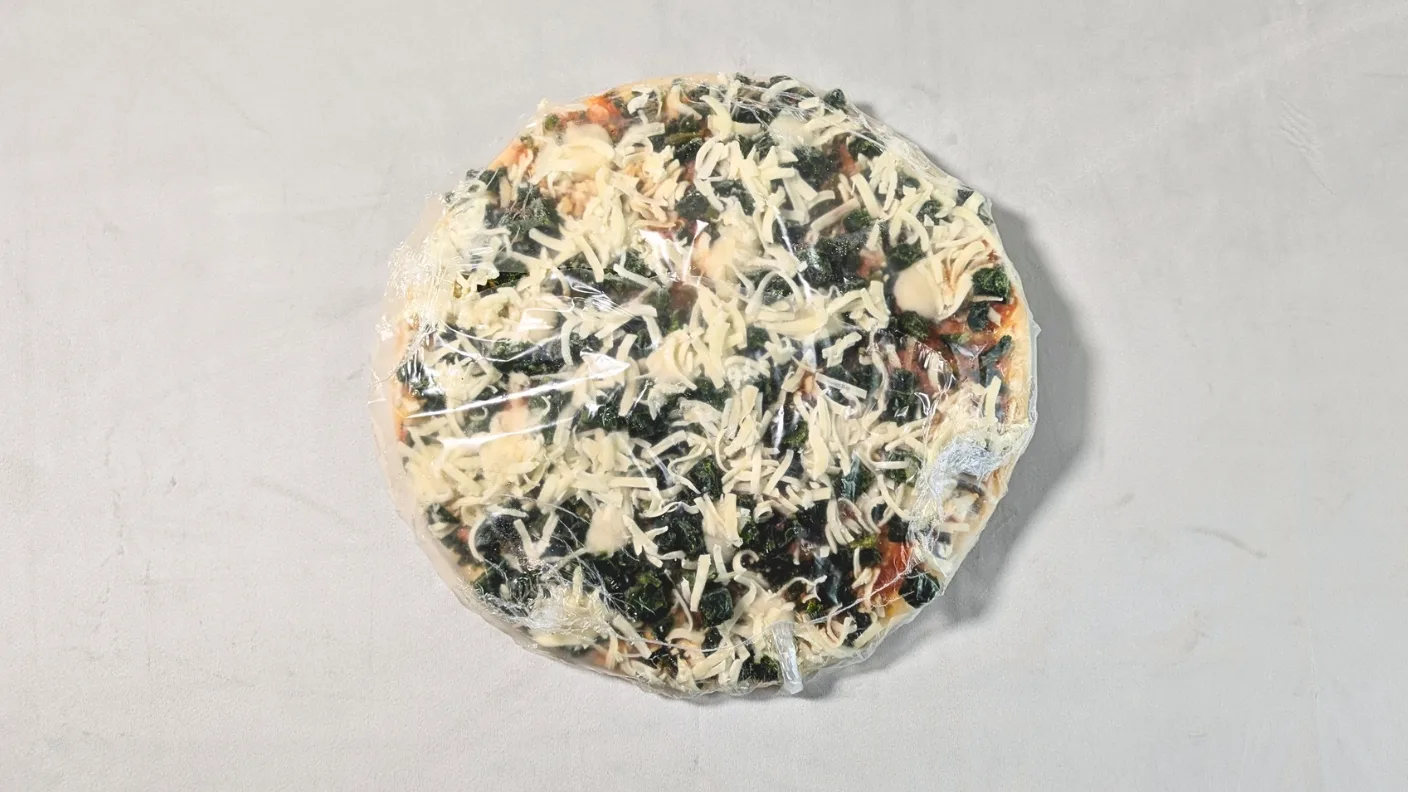
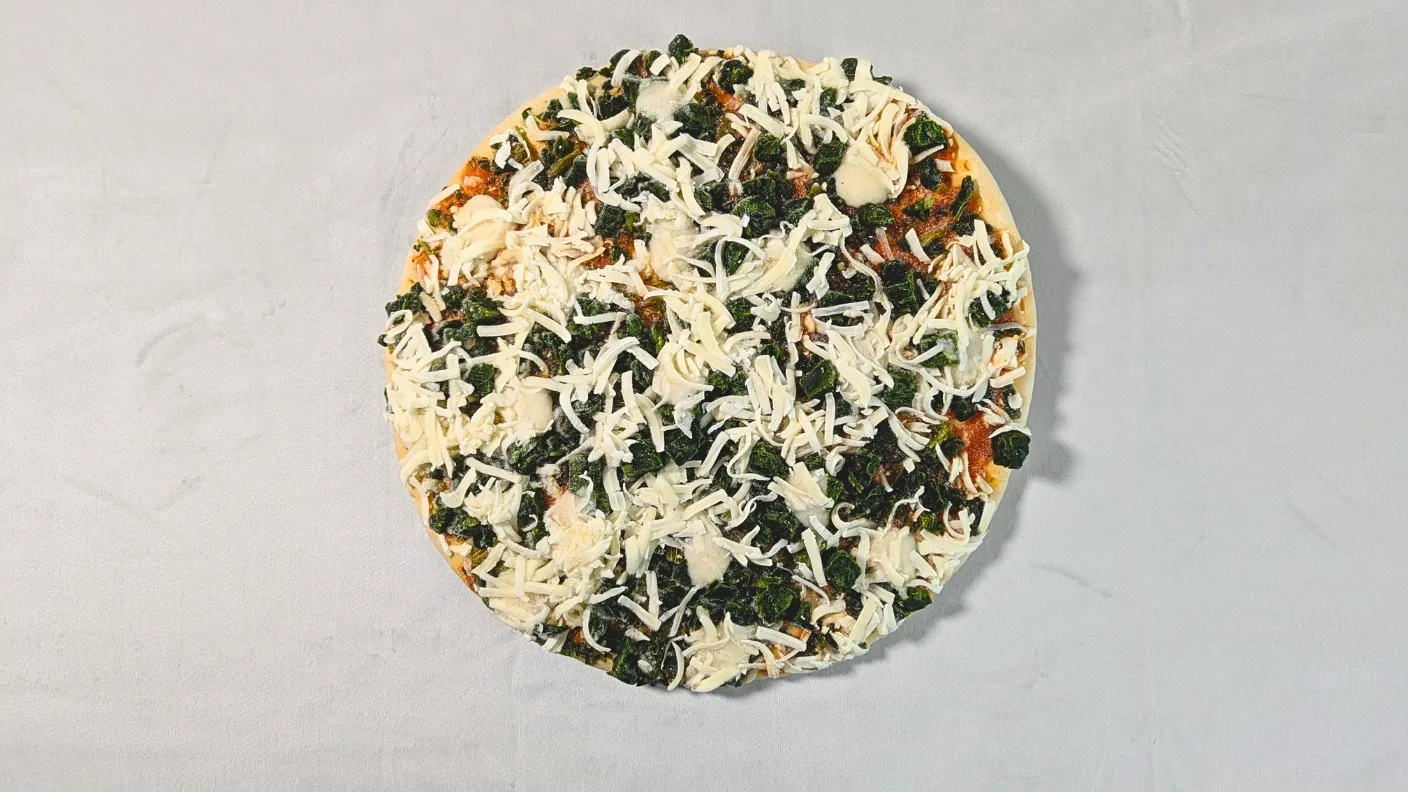
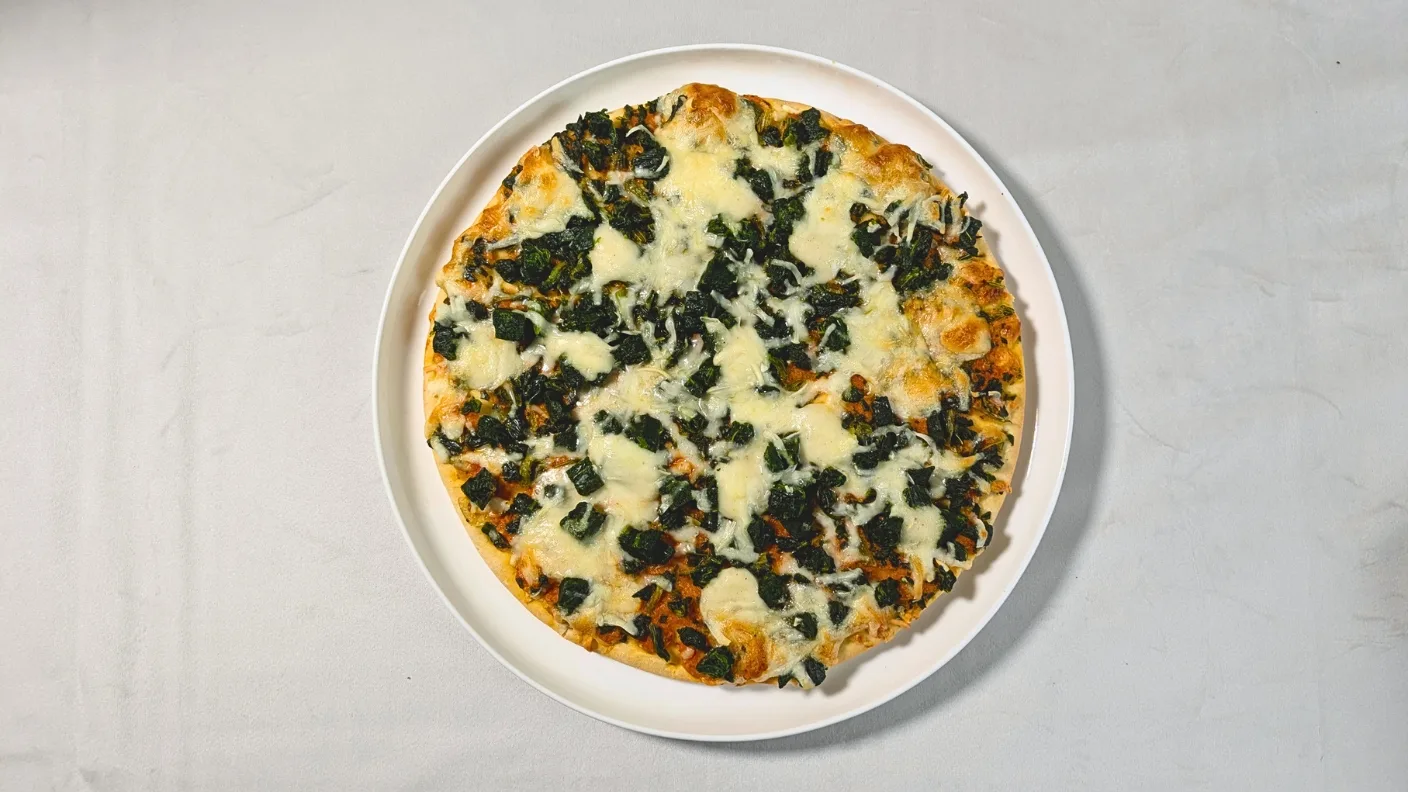
- Frozen Pizza can be healthy and cheap. We wait for the gourmet one to go on sale. Add nutritional yeast and pepper sauce and Bob’s your uncle.
- Freeze your nuts and seeds to add to their shelf life
Quick Recipes
Tuna salad with toasted whole grain bread. Drain a can of tuna, a tbsp of mayo, a tsp of green seasoning, pinch of salt, and chilli powder on toasted whole grain bread (stored pre-cut in the freezer). We add a quarter grapefruit to make this a perfect meal (according to the hypoglycemic index).
Soup is easy / simple. Think of it as a warm smoothie.
Helpful Tips From Our Appointment With Health811’s Registered Dietitian
We wouldn’t recommend a service without testing it ourselves first. Even though we’ve worked with our dietician for years, it’s healthy to chat with other professionals from time-to-time. Below are snippets from our appointment with Health811’s Registered Dietitian (Nicole). She spoke with us for over 45mins, explaining the services she could provide and shared addition resources:
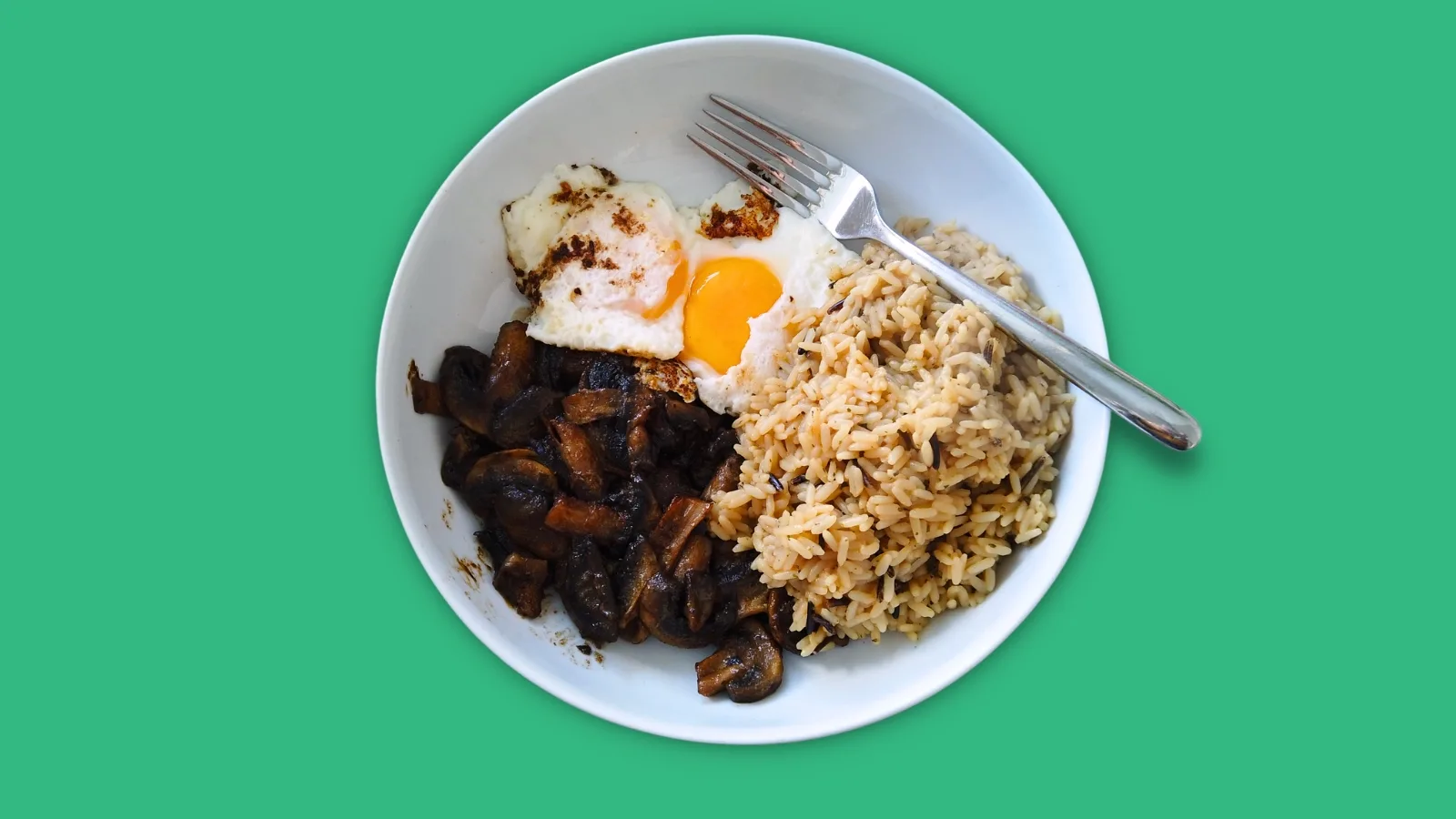
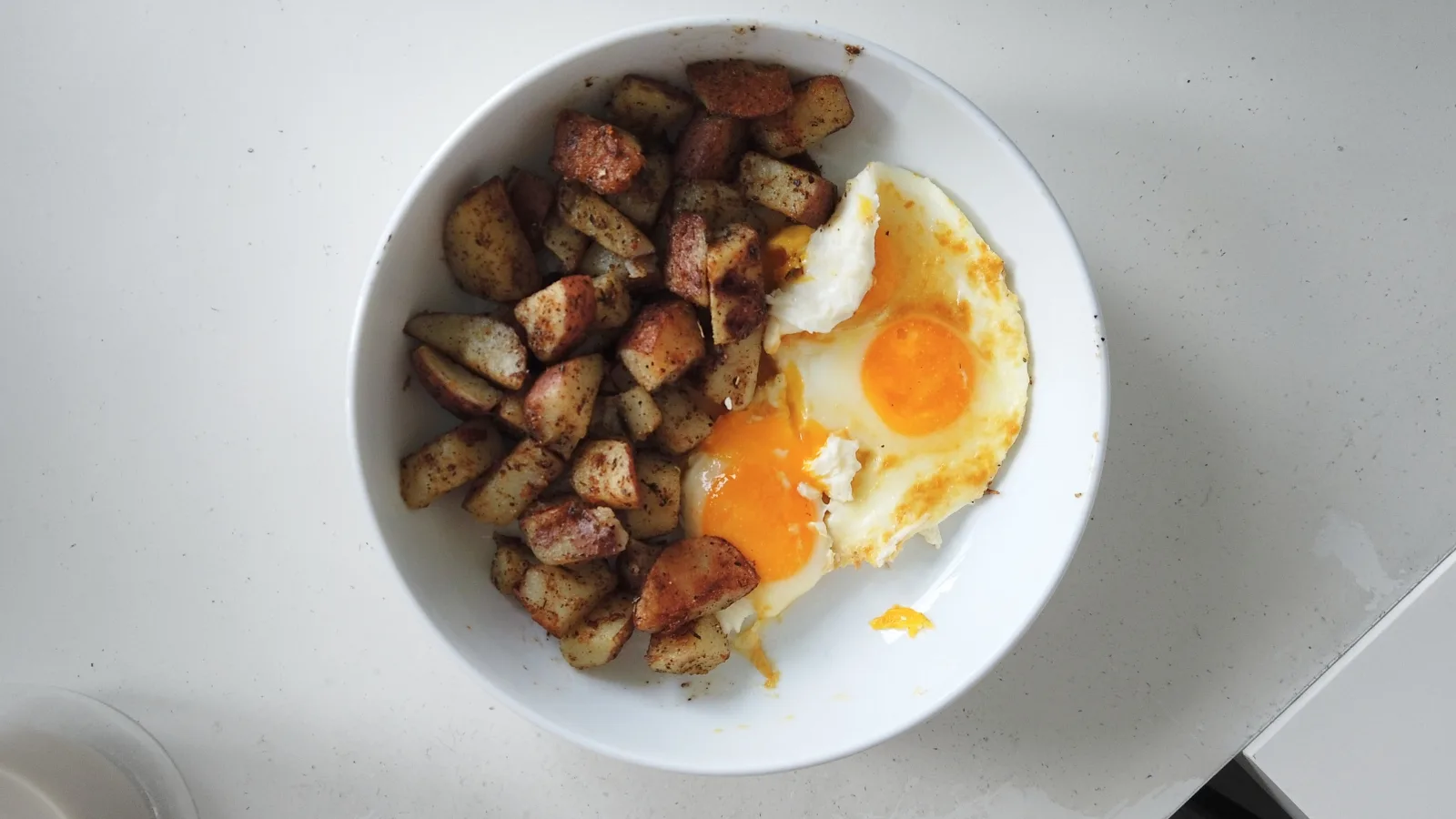
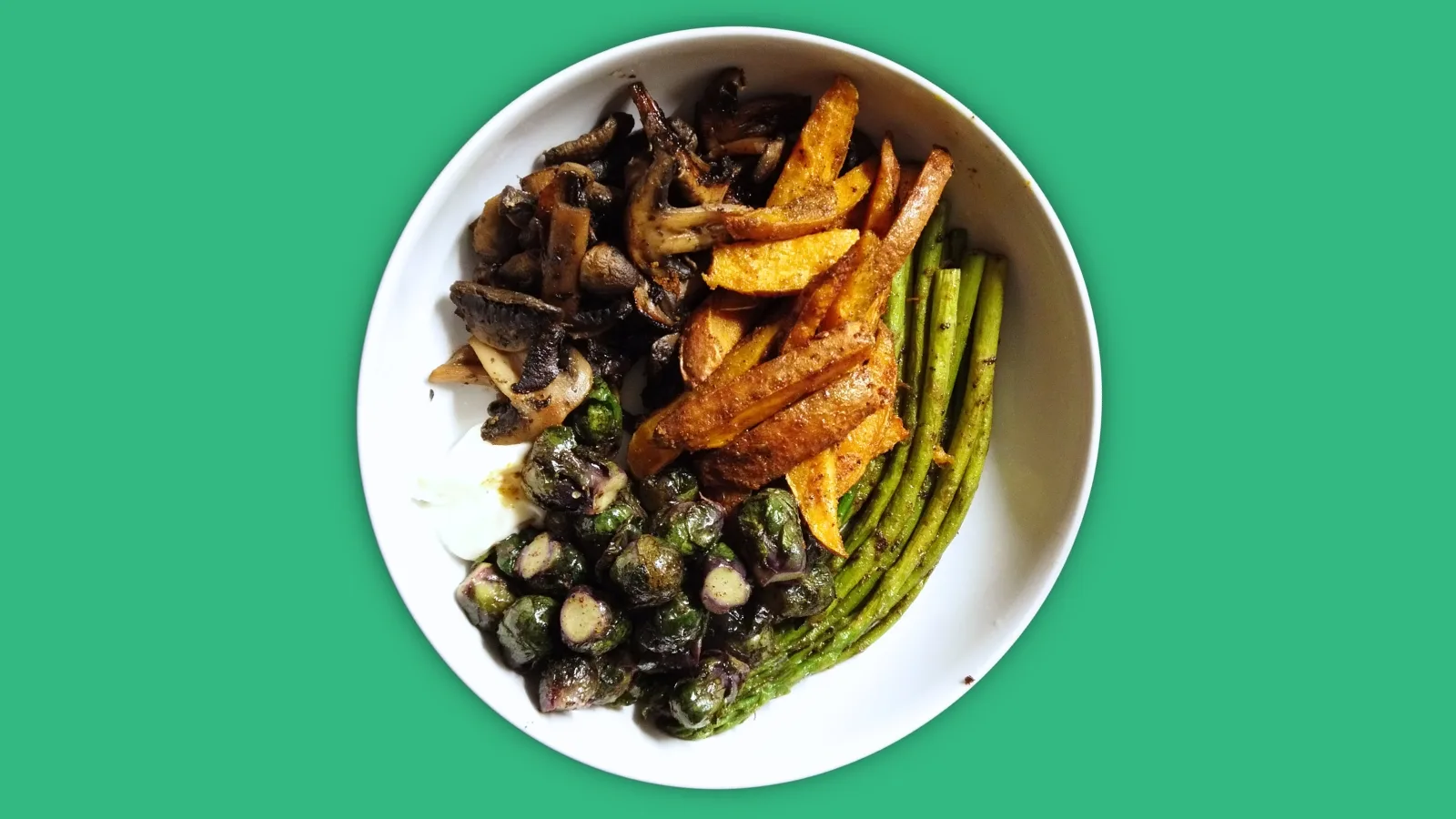
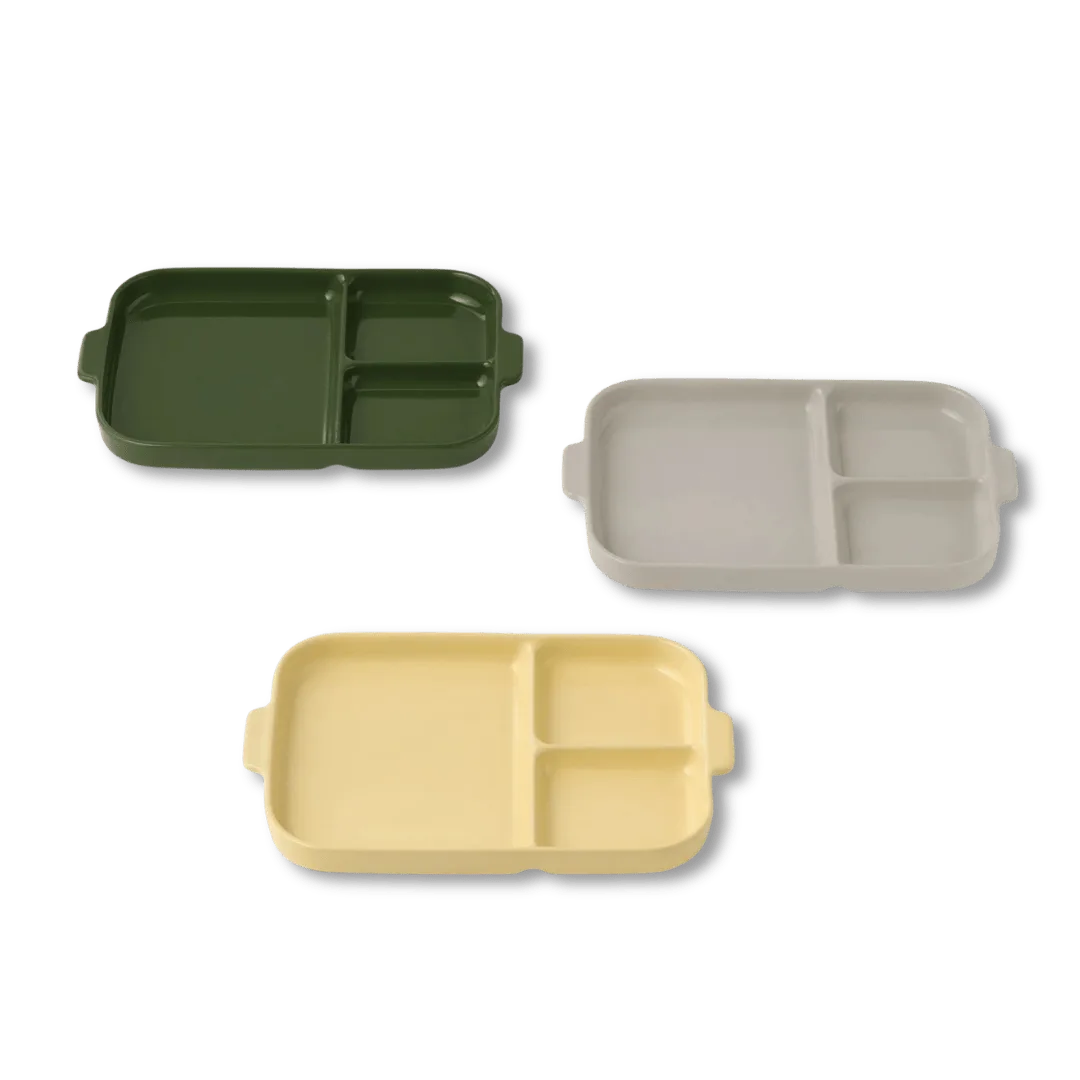
- She explained what a balanced daily meal looks like (see image). Vegetable portion should be the size of your fist; 2 fists for salad.
- Whole grain is better than whole wheat (shooketh!)
- Frozen and canned fruit/ vegetables are better than fresh produce, because they are immediately frozen/ canned when they are ripe and at their nutrient peak.
- Sheet pan cook your meat in advance and freeze it in portions.
- Women need 9 cups of fluid per day. That can come from many sources like water, tea, milk, soups, etc.
- Set as many alarms as you need to remind yourself to eat or drink.
- Drinking water during meals can help with the digestion of fibre.
- Freeze your cooked noodles in advance.
Self-care is not separate from food
These are not pantry related tips, but self-care shortcuts for your day-to-day well being:
- DRINK water (especially if you take medication)
- Place your meds by your bed (yah it rhymes!)
- Shower as soon as you wake up. Don’t overthink it.
- Listen to corniest music possible. Songs that are absolutely uncool, that make you chuckle and you can Bad Dance to (we have corny playlists here).
- Shake your vitamin or medication container. Many shaman & holistic practitioners use shakers and rattles to break up stagnant energy in a space.
- Cry if you need to. Tears taste like soup… but then eat something.
Good Enough.
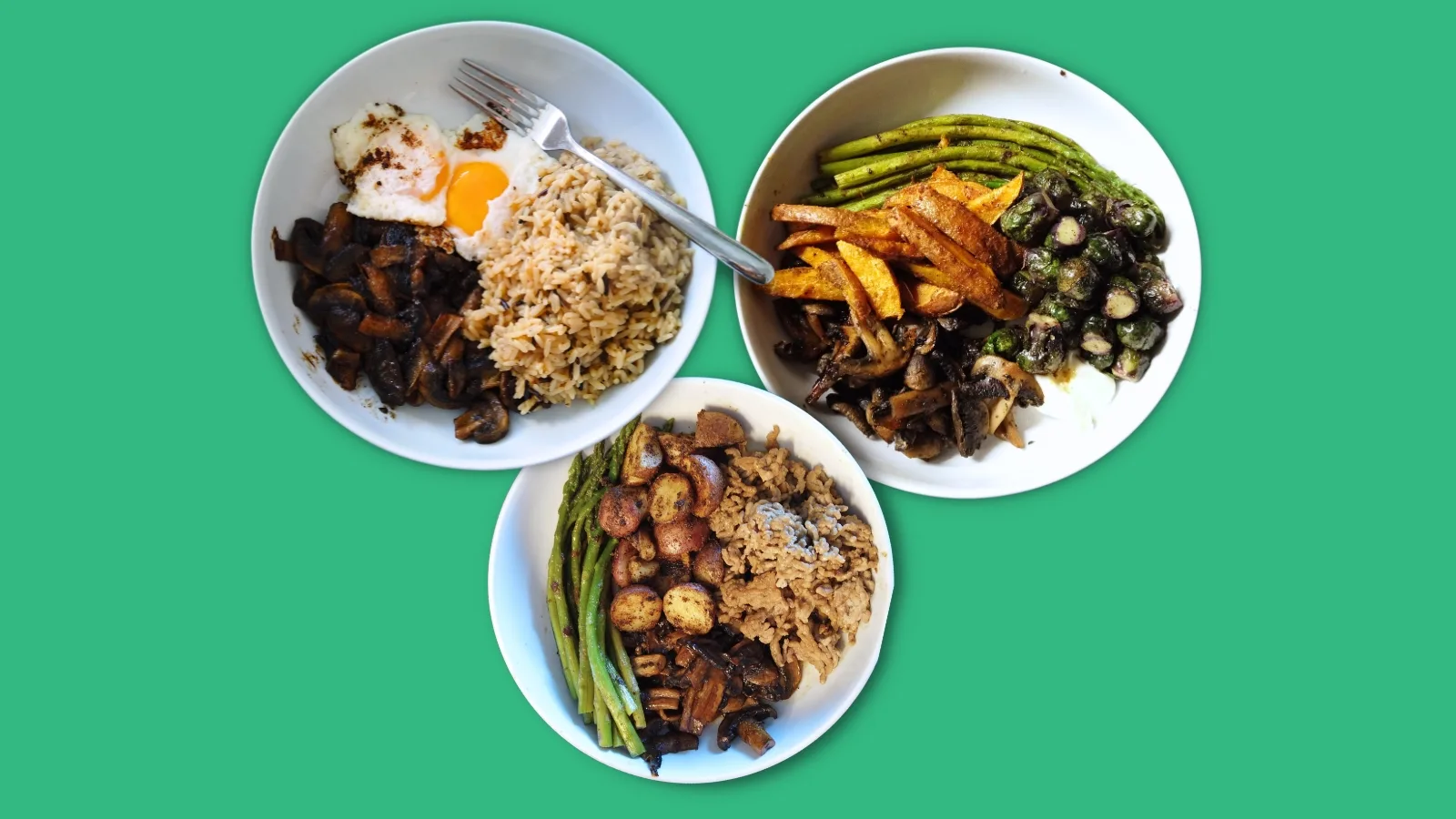
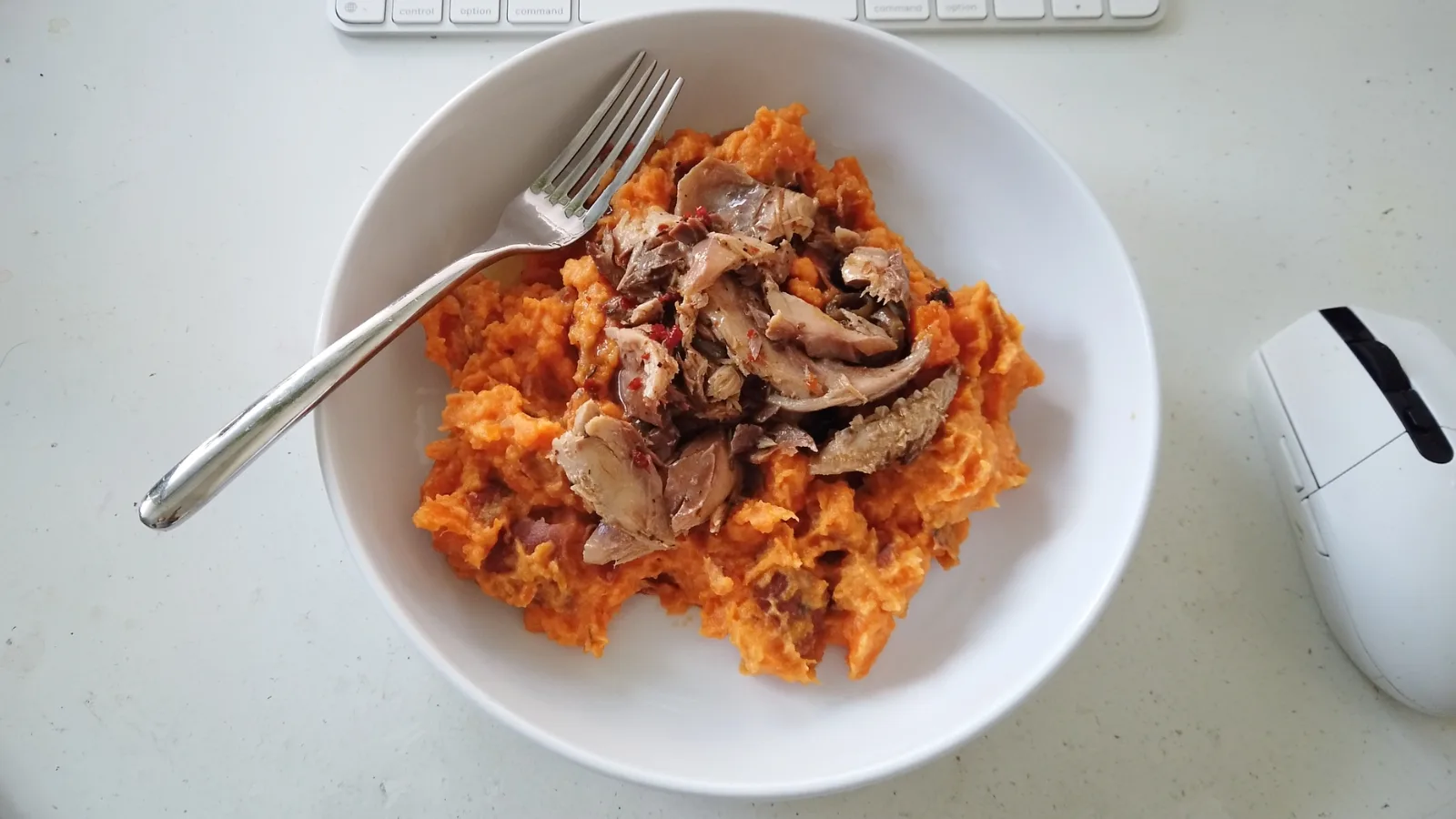
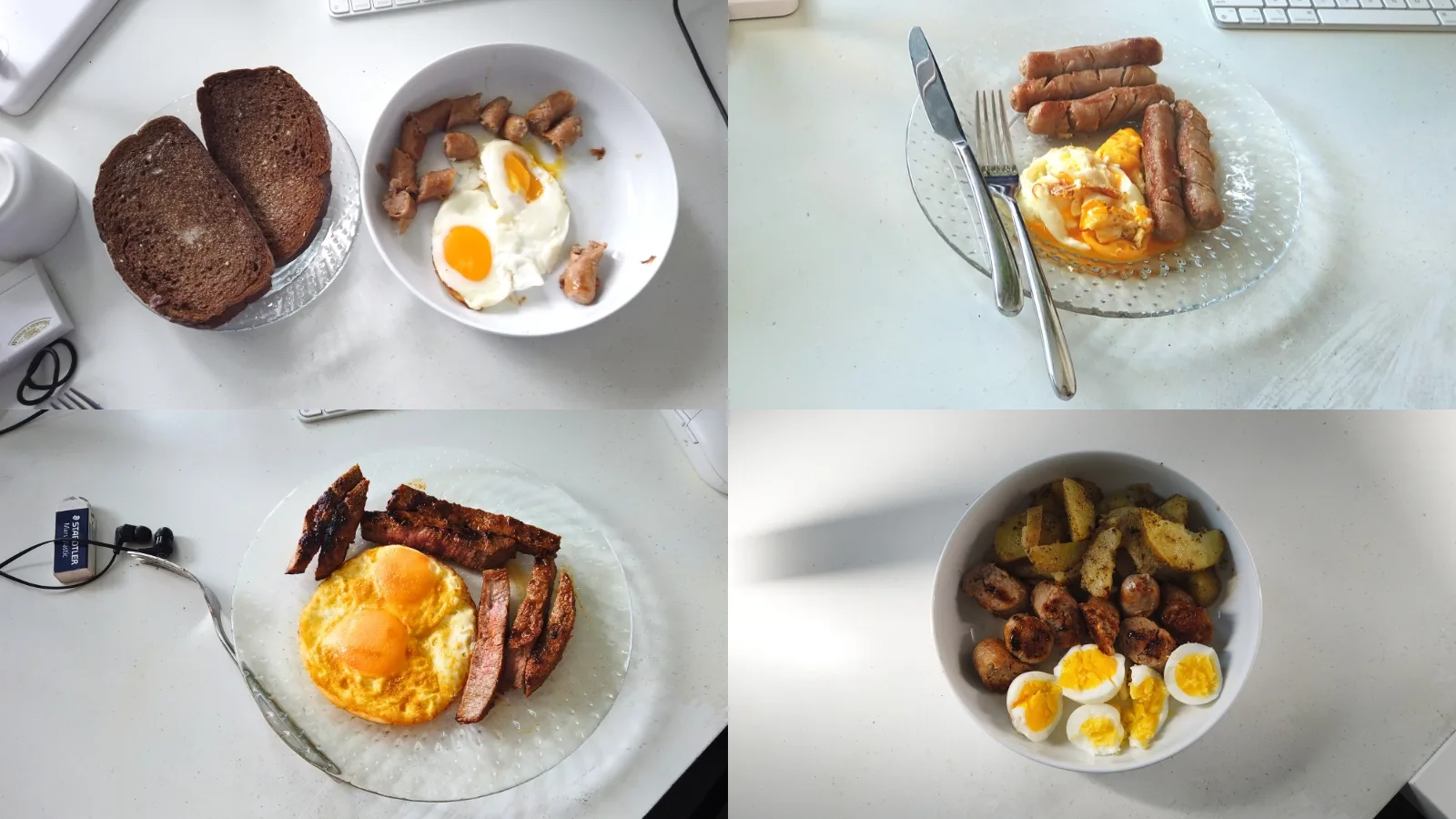
Congrats, you’re now on your way to making easy nutritious meals that are NOT instagrammable. That’s fine. Eggs every morning? Fine. It’s doing its job. Most importantly, embrace the concept of ‘Good enough’. Take the pressure off.
Accepting that, on some days, feeding yourself is less about enjoyment and more about maintenance.
When it’s time to seek more support
If you’re not eating for extended periods, losing weight rapidly, or feeling unsafe in your body, this is beyond a pantry.
As we’ve mentioned previously, we enjoy a good mood swing but not if you’re putting yourself in harms way. Please reach out to your doctor again or a crisis line NOW.
You deserve more support than a blog post can give.
A quieter kind of care
We are not pretending to have the answers to clinical issues. We are only sharing our journey and methods to combat depression, anger, frustration, sadness, and hopelessness that comes with executive dysfunction and other neurodivergent challenges.
We hope that you’re able to get something out of our guide on How To Feed Yourself When You’re SAD and that you start your own SAD pantry™ to take away some of that friction when feeding yourself.
Let us know how we did or share your tips on how you resist the blues in the comments. We’re always looking for ways to support our growing community.
Thank you for reading.
– Moody Eater
And remember, tomorrow is for you to do whatever makes you happy. #FoodisLife.
Sources & Important Dates
Self-Injury Awareness Day (March 1)
Black Mental Health Week (March 2–8)
World Teen Mental Wellness Day (March 2)
Brain Awareness Week (March 16–22)
Neurodiversity Celebration Week (March 16–20)Pantry Tools

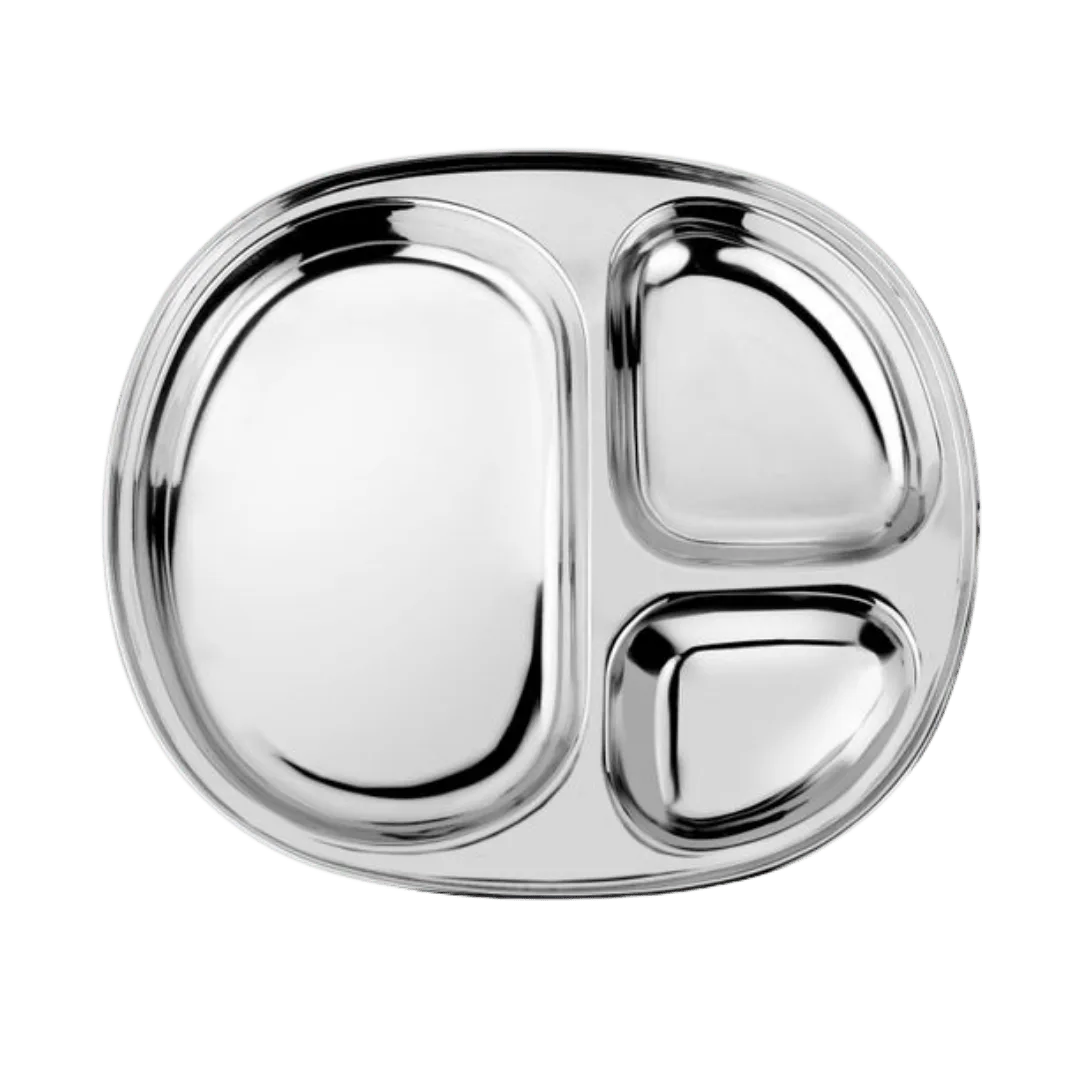
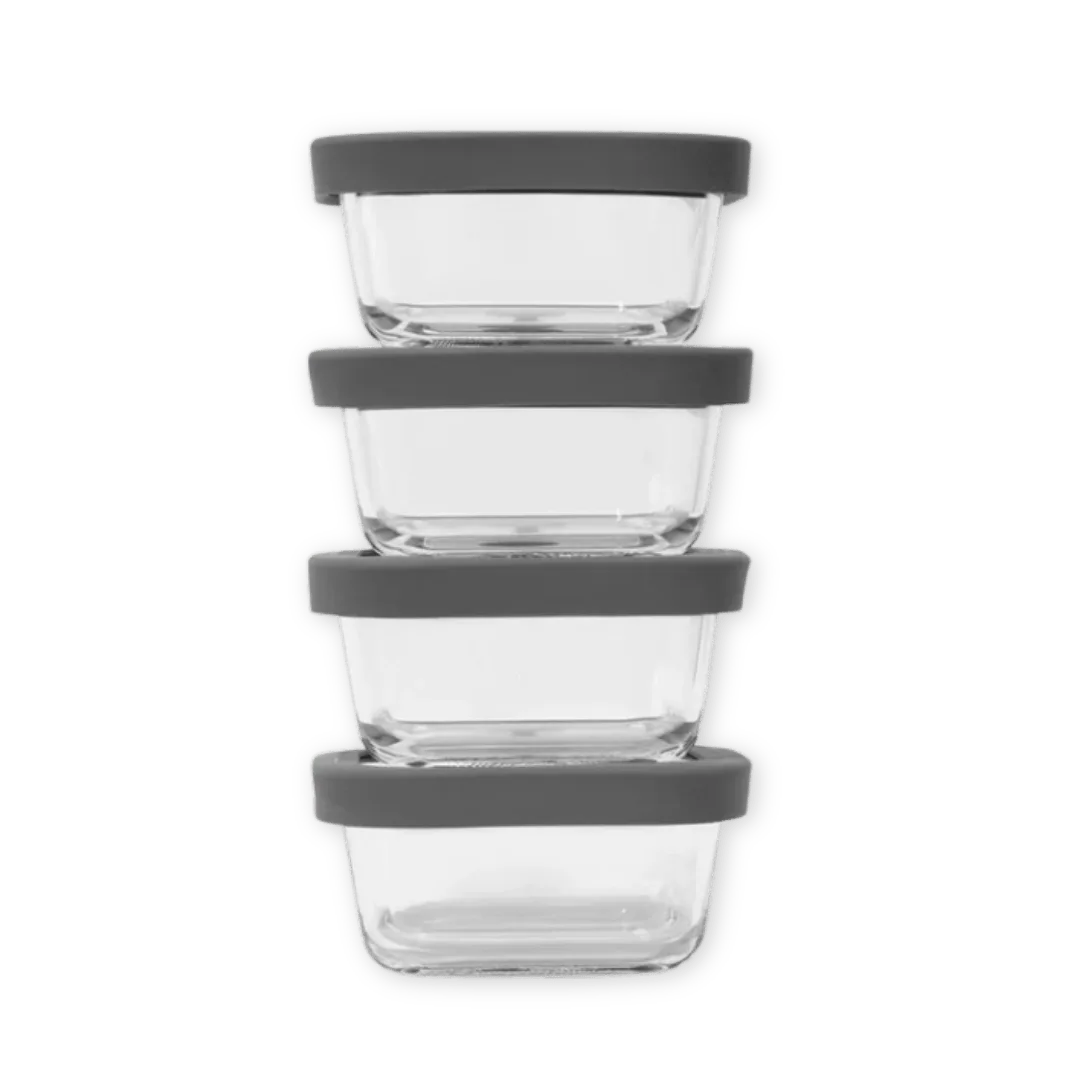
- “Healthy diet for cognitive fitness,” Harvard Health Publishing at Harvard Medical School, April 19, 2024, https://www.health.harvard.edu/healthbeat/healthy-diet-for-cognitive-fitness#:~:text=Lifestyle%20choices%20such%20as%20diet,as%20Alzheimer’s%20disease%20and%20stroke. ↩︎
- “Daily multivitamin may improve memory in older adults,” Harvard T.H. Chan School of Public Health, June 1, 2023, https://hsph.harvard.edu/news/daily-multivitamin-may-improve-memory-in-older-adults/ ↩︎
- Maureen Salamon, “MIND diet may slow cognitive decline,” Harvard Health Publishing at Harvard Medical School, January 1, 2025, https://www.health.harvard.edu/mind-and-mood/mind-diet-may-slow-cognitive-decline#:~:text=Following%20the%20MIND%20diet%20%2D%20which,berries%2C%20poultry%2C%20and%20fish. ↩︎
- Mayo Clinic, “Vitamin deficiency anemia,” https://www.mayoclinic.org/diseases-conditions/vitamin-deficiency-anemia/symptoms-causes/syc-20355025 ↩︎
- Mayo Clinic, “Symptoms of Fatigue,” https://www.mayoclinic.org/symptoms/fatigue/basics/causes/sym-20050894#:~:text=Adrenal%20insufficiency,Rheumatoid%20arthritis ↩︎
- “Low levels of Vitamin D can increase your risk of seasonal affective disorder,” SSM Health Monroe Clinic Medical Group, https://www.ssmhealth.com/newsroom/blogs/ssm-health-matters/march-2022/low-levels-of-vitamin-d-can-increase-your-risk-of#:~:text=A%20new%20study%20by%20the%20University%20of,population%20though%20the%20fall%20and%20winter%20months). ↩︎
- Anne Huotari, Karl-Heinz Herzig, “Vitamin D and living in northern latitudes: an endemic risk area for vitamin D deficiency”, Int J Circumpolar Health, June 2008, https://pubmed.ncbi.nlm.nih.gov/18767337/#:~:text=Since%20its%20production%20in%20the%20skin%20depends,exposure%20to%20sunlight%20during%20the%20winter%20season.text ↩︎
- Robby Berman, “Daily multivitamin may improve memory, help slow cognitive decline,” Medical News Today, May 24, 2023, https://www.medicalnewstoday.com/articles/daily-multivitamin-may-improve-memory-help-slow-cognitive-decline#Taking-multivitamins-to-preserve-brain-health ↩︎
- “Feeling Mental Exhaustion? These Two Areas of The Brain May Control Whether People Give Up or Persevere,” John Hopkins Medicine, https://www.hopkinsmedicine.org/news/newsroom/news-releases/2025/06/broken-link ↩︎
- https://collegeofdietitians.org/public/about-registered-dietitians/#:~:text=Registered%20Dietitians%20(RDs)%20in%20Ontario,to%20access%20nutrition%20for%20health. ↩︎
- Stephanie Aboueid, Isabelle Giroux,Sameer Ratti and Billie Jane Hermosura, “DIETETICS,”, page 6, https://www.hhr-rhs.ca/images/Intro_to_the_Health_Workforce_in_Canada_Chapters/09_Dietetics.pdf#:~:text=PROTECTED%20TITLES%20The%20titles%20%E2%80%9CRegistered%20Dietitian%2C%E2%80%9D%20%E2%80%9CProfessional,is%20registered%20with%20the%20provincial%20regulatory%20authority. ↩︎
- “Medical Nutrition Therapy definition,” Cleveland Clinic, Medically Reviewed, Last updated on 02/29/2024, https://my.clevelandclinic.org/health/treatments/medical-nutrition-therapy-mnt ↩︎
- https://www.amenclinics.com/blog/5-common-nutritional-deficiencies-in-mental-health-problems/#:~:text=Vitamin%20D%20regulates%20the%20production,headache%2C%20hallucinations%2C%20and%20depression. ↩︎
How did we do?
Please let us know if you found this article helpful. Leave a comment below or leave your feedback in our survey .